Are Vanity Cabinet Wholesale Prices Comparable Between Factories? Why Similar Models Differ in Cost
Two vanity cabinets can look identical in a render and still be priced very differently. This guide explains the construction details behind vanity cabinet price differences so you can judge value, not just unit price.
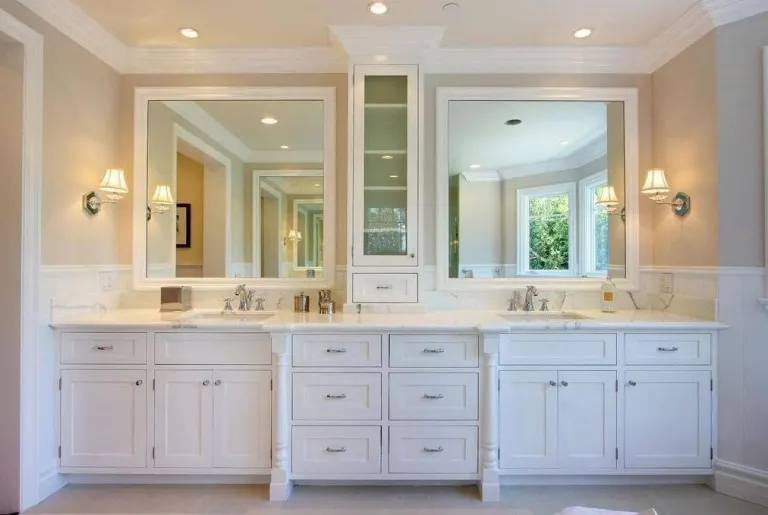
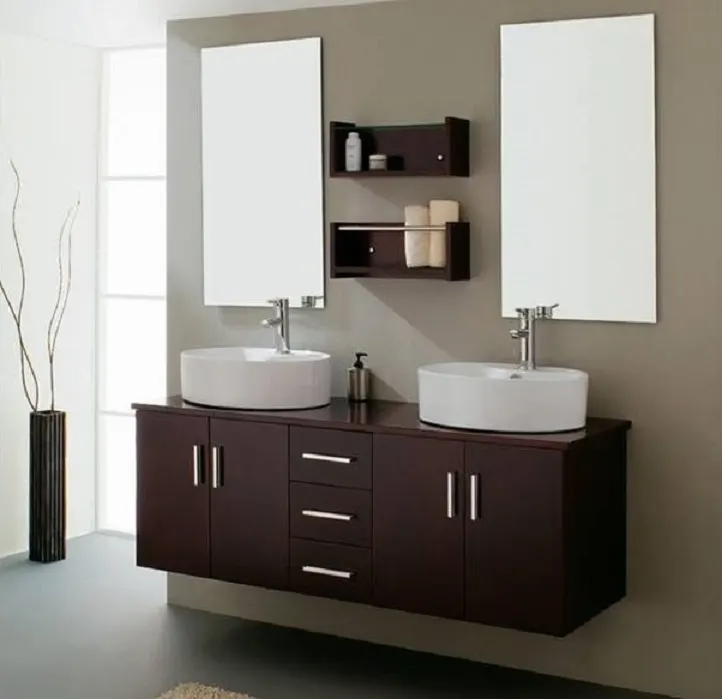
Vanity cabinet price differences between factories are normal, and in most cases they are explained by what you cannot see in a photo: board grade, edge sealing, hardware, top material, packing and what the quotation leaves out. Comparing two quotes line by line is the only reliable way to know whether you are looking at a saving or at a lower specification.
This article is written for procurement managers, designers and developers who receive several quotations for the same hotel bathroom model and need to understand the gap. It does not give prices, because cost depends on the project, but it shows where the differences usually come from.
Why a photo or render is not a specification
A render shows proportions, colour and general style. It does not show the board inside the carcass, the sealing at the cut-outs, the runner rating or the thickness of the stone top. Two factories can therefore quote for the same image and build two very different products.
For this reason, a hotel vanity price comparison only makes sense when every supplier prices the same written specification and the same drawings. If one quote is based on a drawing and another on a photo, the numbers are not comparable.
The main vanity unit cost factors
Most of the gap between quotations comes from a handful of areas. The table below summarises where to look.
| Area | What can differ | Effect on cost and performance |
|---|---|---|
| Carcass board | Standard MDF, moisture-resistant MDF, HPL-faced board, marine plywood | Affects swelling resistance and service life in humid bathrooms |
| Board thickness | 16 mm, 18 mm or heavier panels; back panel thickness | Affects rigidity, sagging and fixing strength |
| Edge treatment | PVC, ABS, laser or PUR edge banding; sealed or unsealed cut-outs | Main defence against water entering at joints |
| Hardware | Hinges, runners, handles, stainless or plated parts | Affects noise, corrosion and drawer life |
| Top and basin | Laminate, solid surface, quartz, natural stone; thickness and edge profile | Often the largest single cost item |
| Finish | Laminate, veneer, lacquer coats, stone-effect surfaces | Affects labour, wastage and cleaning behaviour |
| Packing | Basic wrap or protective crating with corner guards | Affects damage rates in transit |
| Scope | Delivery terms, installation, spare parts, mock-up | Changes the real landed cost |
Hidden construction differences behind similar-looking models
Board grade and moisture protection
A bathroom is a humid environment, and the board is the first thing that suffers when protection is weak. A standard board and a moisture-resistant or HPL-faced board can look the same on delivery day. The difference appears after months of steam and cleaning, as swelling at the base and around the plumbing opening.
Ask each supplier to name the board type and thickness for every part: sides, base, back, doors and drawer boxes. A quote that says only "MDF" or "wood" is incomplete.
Edge sealing and joints
Water rarely attacks the face of a panel. It enters at unsealed edges, cut-outs for pipes and the joint between top and wall. A factory that seals these points carefully spends more time and material, and that cost is visible in the price.
Ask how the plumbing cut-out is finished, what sealant is used at the top junction, and whether hidden edges are banded or only the visible ones. These details separate a unit that lasts from one that peels early.
Hardware and drawer construction
Hinges and runners are small items, but across a large order they add up. Soft-close mechanisms, load ratings and corrosion-resistant finishes vary widely. Drawer boxes may be melamine, metal-sided or dovetailed, and each has a different cost and lifespan.
Request the hardware brand or an approved equivalent, plus the load rating for runners. If a supplier offers a substitution, ask for the technical data before accepting it.
Top, basin and cut-out accuracy
The top is frequently the most expensive component. Stone thickness, edge profile, number of cut-outs and whether the basin is supplied all change the figure. A quote that excludes the basin or tap hole drilling will look cheaper but leave work for someone else.
Confirm who supplies the cut-out templates and who is responsible if a basin does not fit. Rework on site is rarely free.
Finish quality and consistency
Lacquer is a good example. A finish with more coats, better preparation and a controlled spray process costs more than a thin one, but it resists staining and marks better. For laminate and veneer, the question is colour consistency between batches and how well edges match the faces.
Scope differences that distort the comparison
Sometimes the units are the same and the scope is not. Before comparing totals, check these points:
- Delivery terms: EXW, FOB, CIF or DAP can shift thousands of cost lines between supplier and buyer.
- Packing: individual crating or cartons, protection for stone tops and mirrors.
- Installation: included, optional or excluded entirely.
- Mock-up or prototype unit: charged separately, included or not offered.
- Spare parts: extra doors, hinges or drawer fronts for future repairs.
- Tolerance on quantities: whether a small overage for breakage is built in.
How to normalise two quotations
To make a fair comparison, convert both quotes to the same basis. This is straightforward if you follow a simple process.
- Send every supplier the same drawings, specification sheet and quantity schedule.
- Ask each to list the board, edge, hardware, top, finish and packing separately.
- Align the delivery terms so both prices are, for instance, FOB or DAP to the same place.
- Add any missing items to the cheaper quote, such as basins, mirrors or installation.
- Compare lead time and sample approval conditions, not only the unit price.
If a supplier cannot or will not itemise, treat that as information in itself. A transparent quote makes it easy to see where the money goes.
Judging value rather than unit price
The lowest quote is not always the lowest cost. A unit that swells, sags or corrodes before year three creates replacement work, guest complaints and downtime in rooms. Over the life of the hotel, a slightly higher initial cost for better board, sealing and hardware can be the cheaper decision.
The opposite is also true. Not every property needs premium materials. A budget hotel may be well served by a simpler, durable specification, as long as the moisture-critical details are right. The goal is to match the specification to the hotel category and climate, then pay for what matters.
Questions worth asking every supplier
- Which board is used in each part of the carcass and at what thickness?
- How are cut-outs and hidden edges sealed?
- Which hinges and runners are quoted, and what load rating do they carry?
- Is the top, basin and cut-out work included?
- How are units packed for export, and how are damage claims handled?
- Can you build and approve a mock-up unit before the full order?
Next step
If you already have quotations in hand, or are preparing to request them, send us your drawings or specification sheet. We will price the units line by line, so you can compare construction, scope and lead time on the same basis.
Sıkça Sorulan Sorular
Why do two similar vanity cabinets have such different prices?
The difference usually lies in what is hidden: board grade and thickness, edge sealing, hardware quality, top material, finish process and packing. Scope also matters, since one quote may include basins, delivery or installation while another does not. Itemised quotes reveal the real gap.
Is the cheapest vanity cabinet quote a bad sign?
Not necessarily, but it deserves a closer look. A lower price may reflect a simpler specification, fewer included items or a different delivery term. Compare the same drawings, materials and scope before judging, and ask the supplier to itemise the main components.
How can I compare vanity quotations from different countries?
Ask every supplier to price the same drawings and specification, then align delivery terms such as FOB or DAP. Add any excluded items, like basins or installation, to each quote. Also compare lead times, packing methods and sample approval conditions, not only the unit figure.
Which component affects vanity cost the most?
In many hotel projects the top, especially natural stone or quartz with several cut-outs, is the largest single item. Board grade, hardware and finish follow. The balance varies by design, so a component breakdown from the supplier is more useful than a general rule.
Should I pay more for moisture-resistant boards in every hotel?
Moisture protection matters in nearly every bathroom, but the level should match the climate and hotel category. Coastal or tropical projects usually need stronger protection than dry-climate ones. Proper edge sealing is as important as the board itself.
Every hotel project is different. Send us your drawings or room schedule for a tailored proposal on materials, lead time and shipping.